Odor calls are prioritized
Dead Rodent Removal in Orlando, FL
A dead rodent in a wall or duct produces an odor that gets worse for a week or more before it fades. Finding it means locating the exact cavity, which is a different skill from trapping.
Dead animal calls are among the most urgent we take, and they are almost always the aftermath of something else. In the great majority of cases the animal died from a poison-based treatment, either one the homeowner applied themselves or one carried out by a company that used bait in an attic. That is the central argument against poison for structural rodent work: the animal dies where it feels safe, and where it feels safe is inside your building.
The odor follows a predictable curve. It becomes noticeable a couple of days after death, intensifies over roughly the following week, peaks, then slowly declines over several weeks depending on the size of the animal, the temperature and the ventilation. Central Florida heat accelerates the whole process and makes the peak considerably worse.
Waiting it out is a legitimate choice in some situations and an unbearable one in others. A mouse in an accessible attic space may genuinely be easier to leave alone. A rat inside a bedroom wall cavity in July is not something most households can live alongside for three weeks, and it can also draw flies and dermestid beetles, which turns one problem into two.
How the animal gets located
Finding it is the actual work. The odor spreads through wall cavities and along ductwork, so the place it smells strongest is often several feet from the animal. Locating it means working systematically rather than opening drywall where the smell seems worst, which is how people end up with three unnecessary holes in a wall.
The process combines a methodical scent trace at close range, knowledge of where cavities and runs actually go in a given construction type, and attention to secondary signs. Flies concentrating at one point on a wall or ceiling is a strong indicator, as is a small stain appearing on drywall or a ceiling. In an attic the animal is often visible once someone is up there with a light and knows where the runs were.
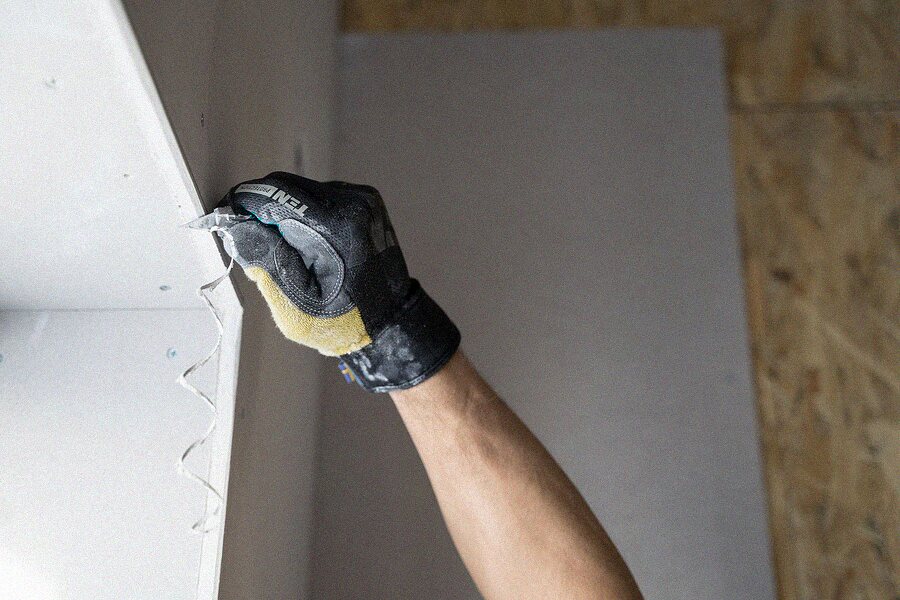
Where the animal is inside a sealed cavity, a small access hole is cut at the identified location, the animal is removed, and the opening is patched. Doing that once in the right place is a minor repair. Doing it four times while searching is a drywall job, which is why locating properly first matters.
Treating what is left behind
Removing the animal removes the source, and the odor then dissipates rather than stopping instantly. The residue in the cavity, the insulation and the surrounding material continues to smell until it is treated, so the work includes removing contaminated insulation and treating the cavity with an enzymatic agent that breaks down the residue rather than masking it.
Air fresheners, ozone generators and odor bombs are frequently recommended online and they do not solve this. They alter the air in the room while leaving the source and the residue intact, so the smell returns as soon as the treatment stops. The only reliable sequence is removal, then removal of contaminated material, then enzymatic treatment.
If the animal died inside a duct, that changes the situation because the HVAC system is then distributing the odor through the house. Ductwork is an HVAC matter and we will tell you so, though locating the animal and identifying which run it is in is something we handle.
Why this keeps happening after a poison treatment
Most of these calls were avoidable. Poison used for rodents in a structure produces animals that die inside the structure. There is no version of this where the animal reliably leaves first. The claim that poison makes rodents thirsty so they go outside looking for water and die there is a myth, and it circulates widely enough that homeowners in public forums call it out specifically when a company uses it as a selling point.
That myth costs people money twice: once for the treatment, and again for the dead animal removal, the drywall repair and the odor work that follows. It is the main reason trapping combined with sealing is the standard professional approach for attic and wall work.
The secondary issue is that poisoned rodents are eaten by owls, hawks, cats and dogs. Secondary poisoning is a genuine risk to a household pet that finds a dying rodent, and it is another reason we avoid rodenticide for residential structural work.
How a Dead Animal Call Is Handled
Speed matters on these, and so does locating properly before anything gets opened up.
- 1
Same-day attendance where possible
Odor calls are prioritized because the situation gets worse daily and the household is usually living with it in the meantime.
- 2
Systematic location
A methodical trace at close range, informed by how cavities and runs actually go in that construction type, plus secondary signs such as fly concentration or staining.
- 3
Minimal access and removal
Where the animal is in a sealed cavity, one small access opening is cut at the identified point rather than several exploratory ones.
- 4
Remove contaminated material
Insulation and material that has absorbed residue is removed, because leaving it means the smell continues after the animal is gone.
- 5
Enzymatic treatment and repair
The cavity is treated with an agent that breaks down residue rather than masking it, and the access opening is patched.
What This Costs in Orlando
Dead animal removal is priced mainly on access. An animal visible in an open attic is a short visit. An animal inside a sealed wall cavity requiring location, access and repair is a considerably larger job.
| Service | Typical range | What moves the number |
|---|---|---|
| Dead rodent removal, accessible | $150 to $350 | Visible in an attic, crawl space or open area |
| Removal from a sealed wall cavity | $300 to $500 | Includes locating, cutting access and patching |
| Odor treatment and contaminated material removal | $150 to $600 | Extent of residue and insulation affected |
| Duct related odor investigation | $200 to $450 | Locating the affected run; duct work itself goes to HVAC |
| Multiple animals after a poison treatment | $400 to $1,200 | Common where bait was used in an attic |
These are typical ranges for the greater Orlando metro. Every property is different, and the free inspection produces the actual figure with each part of the job priced as its own line item.
Why Homeowners Choose Us for This Work
We locate before we open anything
The odor spreads through cavities, so where it smells strongest is often several feet from the animal. Opening drywall where the smell seems worst is how people end up with several holes and the animal still in place.
The residue gets broken down
Removing the animal removes the source and leaves the residue. Enzymatic treatment breaks that down. Ozone generators and air fresheners change the air while leaving the cause untouched, which is why the smell returns.
Experienced, state-registered technicians
The technicians who come to your property are registered with the State of Florida, carry their own insurance, and represent more than 30 years of combined pest control experience. Someone answers this line 24 hours a day.
What Reddit Says About Dead Rodent Odor in Orlando
Dead animal threads in public home improvement forums follow a recognizable arc. Someone reports a smell they cannot place, initially attributes it to something else such as a pet or plumbing, and eventually discovers a rodent in a wall or beneath a floor. One homeowner in such a thread described a persistent odor they had assumed was cat urine, which turned out to require opening interior walls, and another described a major renovation that revealed mice in the walls and required sanitizing throughout.
The practical advice people share is consistent with how these jobs actually go. Trace the smell at close range rather than guessing, look for flies concentrating at a single point as a locating clue, and expect the smell to worsen for several days before improving. Commenters also warn that opening walls in the wrong place is easy and expensive, which is the argument for locating carefully before cutting.
The prevention lesson runs through all of these threads and it is the same one we give at the inspection. These situations are overwhelmingly the aftermath of poison used inside a structure. Where forum discussion turns to rodenticide, the dead-in-the-wall outcome is raised repeatedly as the reason to prefer trapping combined with sealing for anything inside a building.
What a Typical Job Looks Like
A common call two weeks after a DIY bait treatment
The situation. A homeowner had put bait blocks in the attic after hearing noise, the noise stopped, and about four days later a smell began in an upstairs bedroom. By the time they called it was strong enough that the room was unusable and flies were gathering at one spot on the ceiling.
What gets done. The fly concentration turns out to be the useful clue. Close range tracing puts the animal in the ceiling void about two feet from where the smell was strongest in the room. One small access opening is cut at that point, the rat is removed along with the insulation immediately around it, the void is treated enzymatically, and the opening is patched.
How it turns out. The odor drops sharply within a day and clears over the following week. The homeowner also gets the conversation nobody had with them before they bought the bait, which is that anything killed inside a structure dies inside the structure, and that the attic still has the open entry point that let the first animals in.
Common Questions
How long does the smell last if I do nothing?
It typically becomes noticeable a couple of days after death, worsens over about a week, peaks, then declines over several weeks. A mouse may clear in two to three weeks. A rat takes longer, and Central Florida heat makes the peak considerably worse.
Can you find it without cutting into my wall?
Sometimes. If the animal is in an accessible attic or crawl space it is often visible once someone is up there with a light. Inside a sealed wall or ceiling cavity, one small access opening at the located point is usually necessary, and locating properly first is what keeps that to a single patch.
Will an ozone machine or air freshener fix it?
No. Those alter the air in the room while leaving the animal and the absorbed residue in place, so the smell returns when the treatment stops. Removal, then removal of contaminated material, then enzymatic treatment is the sequence that works.
Why did this happen after my pest control treatment?
Almost certainly because bait was used. Poisoned rodents die wherever they feel safe, which inside a building means inside a wall, a ceiling void or the attic. This is the main reason trapping combined with sealing is the standard approach for structural work.
Is the smell dangerous?
Unpleasant rather than acutely hazardous in most residential situations. The practical concerns are the flies and beetles it attracts, and the contaminated material left in the cavity, which is why removal includes taking out affected insulation rather than just the animal.
Do you handle it if the animal is in my ductwork?
We locate it and identify which run it is in. Opening and cleaning ductwork is HVAC work and we will tell you that plainly rather than working outside our scope, though knowing exactly where the problem is makes that a much shorter conversation with your HVAC contractor.
Related Services
Rodent Damage Repair
Chewed wiring, torn ductwork, damaged soffit and the structural gaps left behind.
Read more →Crawl Space Restoration
Clean-out, vapor barrier and screening for older Central Florida homes.
Read more →Commercial Rodent Control
Restaurants, retail, warehouses and multifamily properties with inspection exposure.
Read more →More about how we work on the about page, or get in touch to book a free inspection.
Get the Source Located and Removed
Odor calls get same-day attention where possible. Someone answers this line 24 hours a day, and locating properly means one patch rather than several.